Faith in America Is Bigger Than Our Measures — What Polls Miss About Your Walk with God
Published on October 10, 2026 · 7 min read

Every few months, a new survey declares the decline of faith in America. Headlines trumpet shrinking congregations, rising secularism, and a generation that has turned its back on organized religion. For many believers, these numbers can feel like a personal indictment, a quiet whisper that their own faith is fragile or out of step with the times.
But a recent essay from Deseret News challenges the very scales we use to weigh faith. The piece argues that our obsession with measurable benchmarks, attendance, affiliation, self-identification, misses the deeper, more resilient ways God moves in human hearts. The real story, it suggests, is not a vanishing faith but a changing one. And for the everyday Christian juggling a full schedule, that perspective can be deeply freeing.
The Numbers That Worry Us
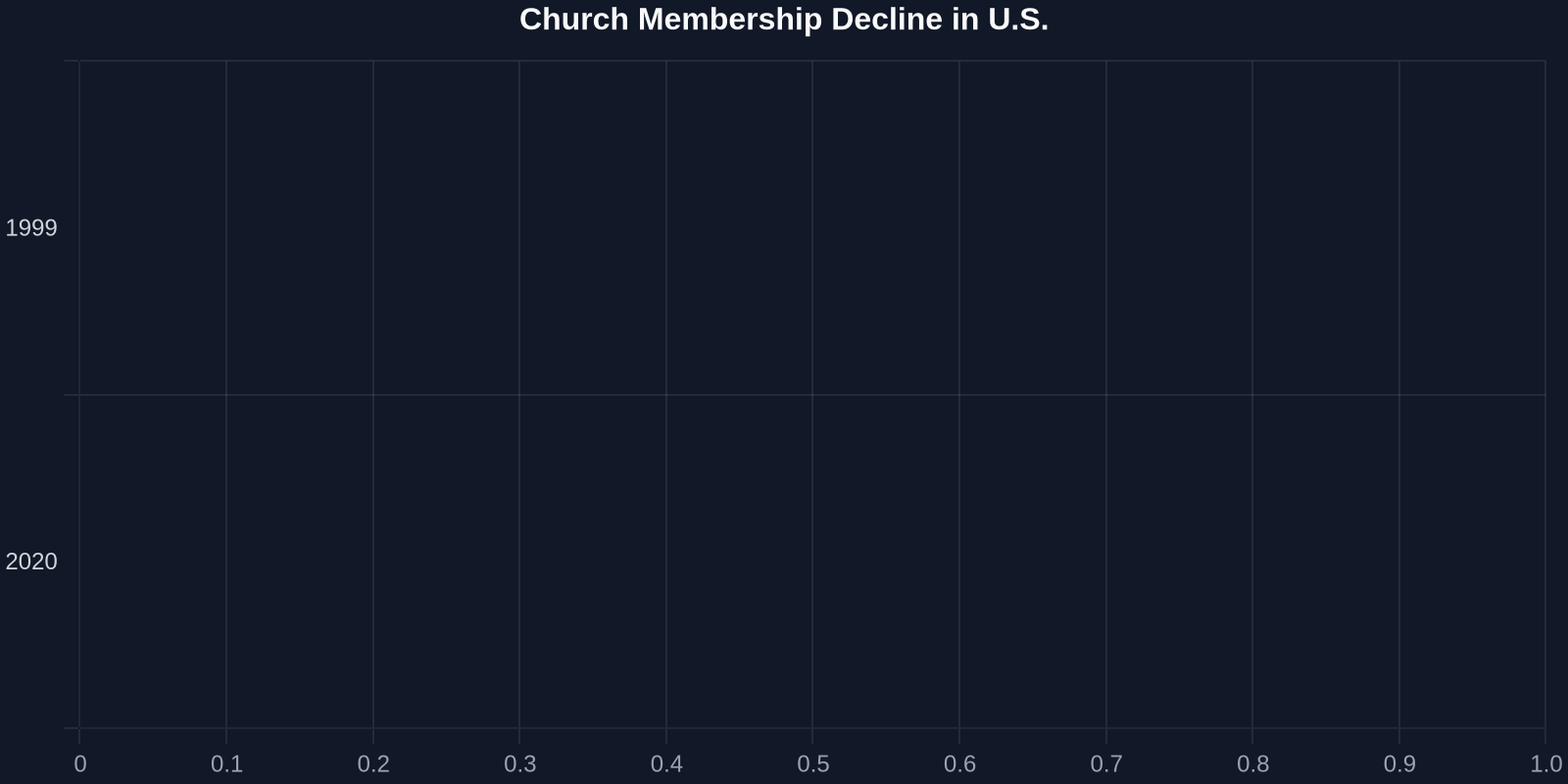
You don’t have to look far to find statistics that paint a bleak picture. Polls from Pew Research and Gallup consistently show trends that make church leaders anxious.
The percentage of U.S. adults who say religion is “very important” in their lives has also slipped, from 58% in 2007 to just 45% in 2023. Meanwhile, the so-called “nones”, those who claim no religious affiliation, now make up 29% of the population, a number that has nearly doubled in a generation.
Reading these, it’s easy to conclude that America is losing its soul. But data, by its nature, simplifies. It flattens the lived reality of millions of people whose faith cannot be captured in a checkbox. And that’s precisely where the Deseret essay pushes back.
What We Miss When We Only Count
Affiliation is not the same as belief. Attendance is not the same as devotion. And the label “none” does not always mean an empty spiritual life. In fact, when researchers dig deeper, they find nuance that the headlines ignore.
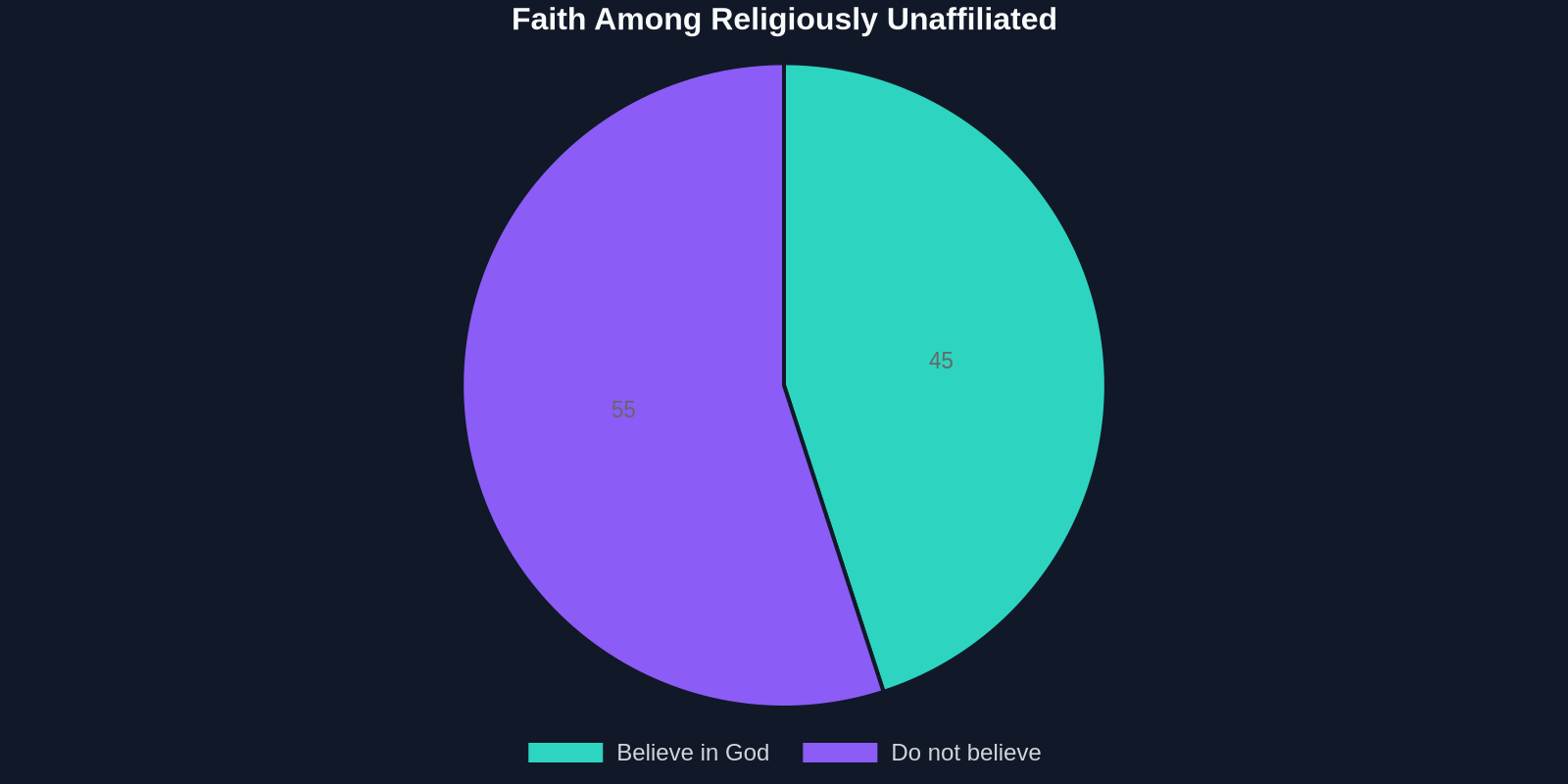
Take religiously unaffiliated Americans. A Pew survey found that 45% of them still believe in God, and 26% believe with absolute certainty. Many pray, even if they never darken a church door. For these individuals, the traditional measures of religiosity simply do not apply.

This mismatch between external metrics and internal conviction is as old as Scripture. The prophet Samuel learned it when he was sent to anoint a new king. Looking at Jesse’s sons, he was ready to pick the tallest and the strongest, the human measure of success. But God told him, “Look not on his countenance, or on the height of his stature; because I have refused him: for the Lord seeth not as man seeth; for man looketh on the outward appearance, but the Lord looketh on the heart” (1 Samuel 16:7).
Man looketh on the outward appearance, but the Lord looketh on the heart., 1 Samuel 16:7
If we only measure what is visible, we will miss what is holy.
The Persistence of Private Faith
The Deseret essay points to a truth many ordinary Christians already sense: faith has not disappeared; it has moved into the quiet places. The mother saying grace over a drive-thru meal. The construction worker humming a hymn on the job site. The college student wrestling with doubt but still mouthing the words, “Lord, I believe; help thou mine unbelief” (Mark 9:24).
In a culture that prizes public performance, private devotion is easy to overlook. But it has always been the soil where God’s kingdom grows. Jesus Himself warned against the showy righteousness that seeks applause: “When thou prayest, enter into thy closet, and when thou hast shut thy door, pray to thy Father which is in secret; and thy Father which seeth in secret shall reward thee openly” (Matthew 6:6).
God’s Measure vs. Man’s Measure
It may help to contrast the yardsticks we instinctively use with the ones Scripture presents. This side-by-side comparison shows how dramatically they differ.

God’s economy runs on a different currency. The widow’s two mites, unnoticed by anyone else, made her the heroine of a kingdom story. The Roman centurion, an outsider by every religious standard, astonished Jesus with his faith. Time and again, those who failed the world’s inspection turned out to be the ones closest to God’s heart.
None of this means that church attendance or clear doctrine is unimportant. Gathering with other believers, hearing the Word preached, and participating in the sacraments all have deep value. But they are means, not ends. When the means become the measure, we risk mistaking the shell for the treasure inside.
What This Means for Your Daily Walk
So what do you do with this information on a busy Tuesday morning? How does it shape the way you live when the alarm goes off and your to-do list scrolls past the screen?
First, it relieves pressure. You do not need to manufacture a dramatic, Instagram-worthy faith. God is not tallying your pew time or scanning your church membership card. He is looking for the heart that says, “Not my will, but thine, be done” (Luke 22:42), even if it’s whispered over a sink of dirty dishes.
Second, it invites honesty. If your faith doesn’t fit the tidy categories of a survey, that doesn’t mean it’s gone. Doubt and devotion can coexist. Questions are not the opposite of faith; they are often the path to a deeper one. The disciples themselves followed Jesus while still struggling to understand.
Third, it reorients your priorities. Instead of worrying about whether your faith looks impressive from the outside, invest in the interior life. Spend a few minutes in Scripture before you scroll the news. Speak a short prayer while the coffee brews. Carry a verse into your day like a walking stick.
A Simple Habit for This Week
If you want to live the kind of faith that polls can’t capture, start with one small, intentional practice. Place a verse where you will see it first thing in the morning, before email, before headlines, before the world has a chance to set the agenda for your soul.
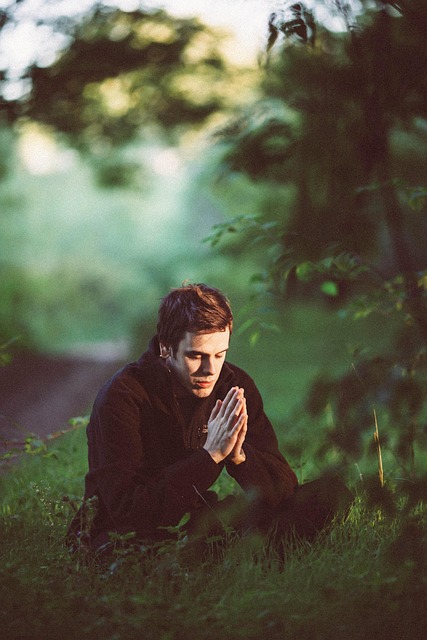
It might be “Be still, and know that I am God” (Psalm 46:10). Or “Thy word is a lamp unto my feet, and a light unto my path” (Psalm 119:105). The point is not the length of the verse but the moment of recollection, a reminder that before you are an employee, a parent, or a citizen, you are a child of God.
And if you need a quiet nudge to keep that habit going, apps like Vesper offer one gentle solution, a daily KJV verse delivered straight to your Lock Screen, so the first thing you see is a word from Scripture, not a notification.
Be still, and know that I am God., Psalm 46:10
When you plant a seed of faithfulness that small, you are cultivating a life that will not be shaken by headlines. You are building the kind of faith that outlasts any survey, because it isn’t built on numbers, it’s built on a Person.
America’s faith is larger than our measures. And yours is, too. In the quiet, in the unseen, in the stubborn trust that flickers even on hard days, God is at work. He has always known how to read the heart.