Finding Your Place: How Church Leaders Are Redefining Unity and Belonging in Christ
Published on November 15, 2026 · 11 min read

Scrolling through social media this week, you might have felt the familiar pang. A picture of a packed sanctuary, hands raised in worship, a caption about "finding my people." For many everyday Christians juggling work, family, and an endless news cycle, that image can stir a quiet, painful question: Do I truly belong?
A recent wave of messages from church leaders across various platforms and backgrounds has turned that question on its head. The conversation, as highlighted this week, is moving away from a social club mentality and toward a richer, more ancient truth. The profound sense of belonging we crave is not the result of fitting into a homogenous group, but the direct gift of a relationship with Jesus Christ. The often-quoted but rarely lived reality is this: unity is a person.
This isn't just theological abstraction. It's the practical, daily answer to the isolation epidemic of our age. When our primary connection is to Christ, our secondary connections to one another are transformed. They are no longer based on shared hobbies, political leanings, or life stages, though those can be blessings. They are forged in the unshakable foundation of being adopted into the same family by the same Father. This shift in understanding changes everything from how we open our phones in the morning to how we walk into a church building on Sunday.
The Viral Message: From Shared Interests to a Shared Savior
The digital town square recently buzzed with a simple yet profound focus: the covenant community of believers finds its adhesive not in sameness, but in the Savior. Leaders from a spectrum of Christian traditions pointed their followers toward Colossians, where the apostle Paul dismantles the small, earthly categories we use to divide ourselves.
The search for belonging often leads us to look for people who look, think, and live exactly like us. The gospel's model of community begins with the radical, reconciling work of Christ, who breaks down those walls.
This perspective reframes the entire concept of church membership and fellowship. The goal is not to create a monolithic culture where everyone agrees on every secondary matter. Instead, as one recent message suggested, the Church is described as being "in Christ like a sacrament", a visible sign of an invisible grace. We are, collectively, a sign and instrument of communion with God and of the unity of the whole human race. This high calling means our local congregation, with its flawed people and awkward coffee hours, is an outpost of a cosmic reconciliation project.
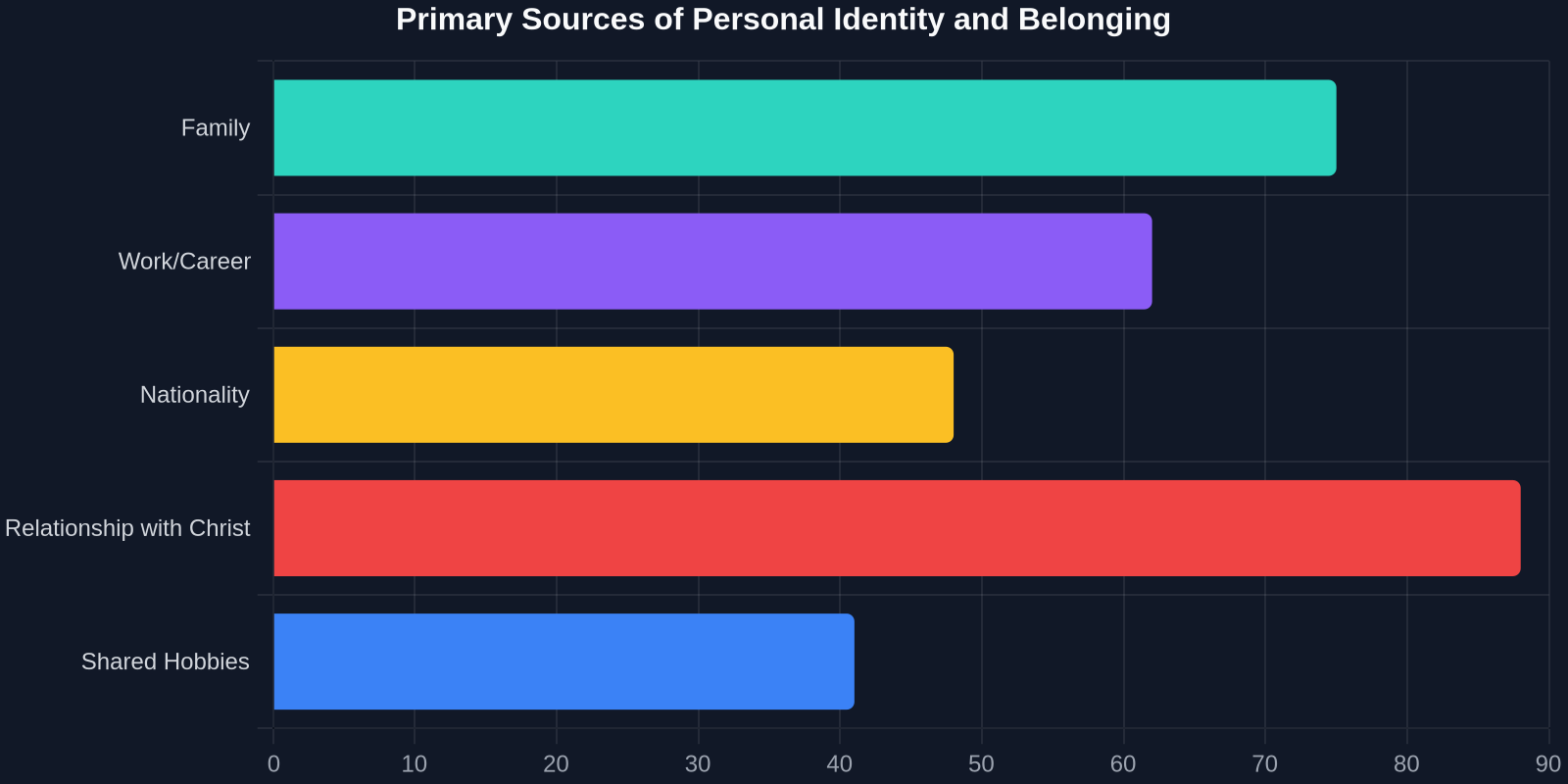
For the busy mom scrolling through Instagram while her coffee gets cold, the implication is liberating. She doesn't need to project a perfect, curated life to be accepted. She needs to be in Christ. For the retired widower feeling invisible in the pew, his worth is not determined by his social calendar but by his unbroken union with Jesus. This teaching from leaders this week is a gentle but firm reminder that our vertical relationship redefines our horizontal ones.
Evaluating Our Own Hearts: The Starting Point of Unity
Before we can foster unity, we must evaluate the state of our own hearts. A key theme that surfaced was the call for Christians and church leaders alike to a time of honest self-examination. Are we remaining faithful to biblical teachings? Are we seeking a deeper relationship with Christ, or merely a comfortable religious routine?
This call to introspection is where the life of faith moves from theory to practice. It's in the quiet, unseen moments of the day. As Jesus taught about the speck and the log, the hard work of unity begins when we prioritize our own repentance over fixing everyone else. The curated feeds of social media can easily become a platform for calling out others, but the gospel compels us to first kneel in prayer, asking God to reveal where we’ve made belonging an idol, placed above our devotion to Him.
Practical Daily Habits: Weaving Belonging into a Busy Week
The messages from church leaders this week were not just for Sunday morning. They offer a blueprint for weaving the reality of our belonging in Christ into the fabric of a busy Tuesday. It starts not with a grand gesture, but with a small, intentional reorientation.

Consider how your day begins. The first glance at a screen often plunges us into a world of comparison, conflict, and urgency. What if the first word was one of life and belonging? This is more than a habit; it's a posture. Placing a simple, daily verse from the King James Version on your Lock Screen, as an app like Vesper offers, can be a quiet tether, reminding you of your unshakable identity before the world has a chance to tell you otherwise.
This table illustrates a quiet revolution. The person who is secure in their belonging to Christ no longer needs to extract their worth from their productivity or social validation. They can engage others with a genuine, self-giving love because their identity is not at stake. This is the practical outworking of the theology leaders are championing.
Kindness as the Currency of the Kingdom
One of the most practical commands for building this kind of community is found in the call to "put on compassion, kindness, humility, patience, and love." These are not grand, heroic virtues. They are the small, slow, and deliberate actions of everyday life. They are the currency of a community built on Christ.
Try a "kindness audit" this week. After a conversation, ask yourself: Was I projecting a curated image, or was I genuinely and humbly present with this person? The difference is rooted in whether you believe you belong.
When a leader urges believers to put on these virtues, they are not giving a to-do list for earning God's favor. They are describing the uniform of someone who already knows they are a beloved child. Patience with a difficult coworker, kindness to a frazzled grocery store clerk, humility to apologize to a family member, these acts become expressions of a settled belonging, not frantic attempts to create it.
The Unseen Battle: Rooted in a Deeper Relationship with Christ
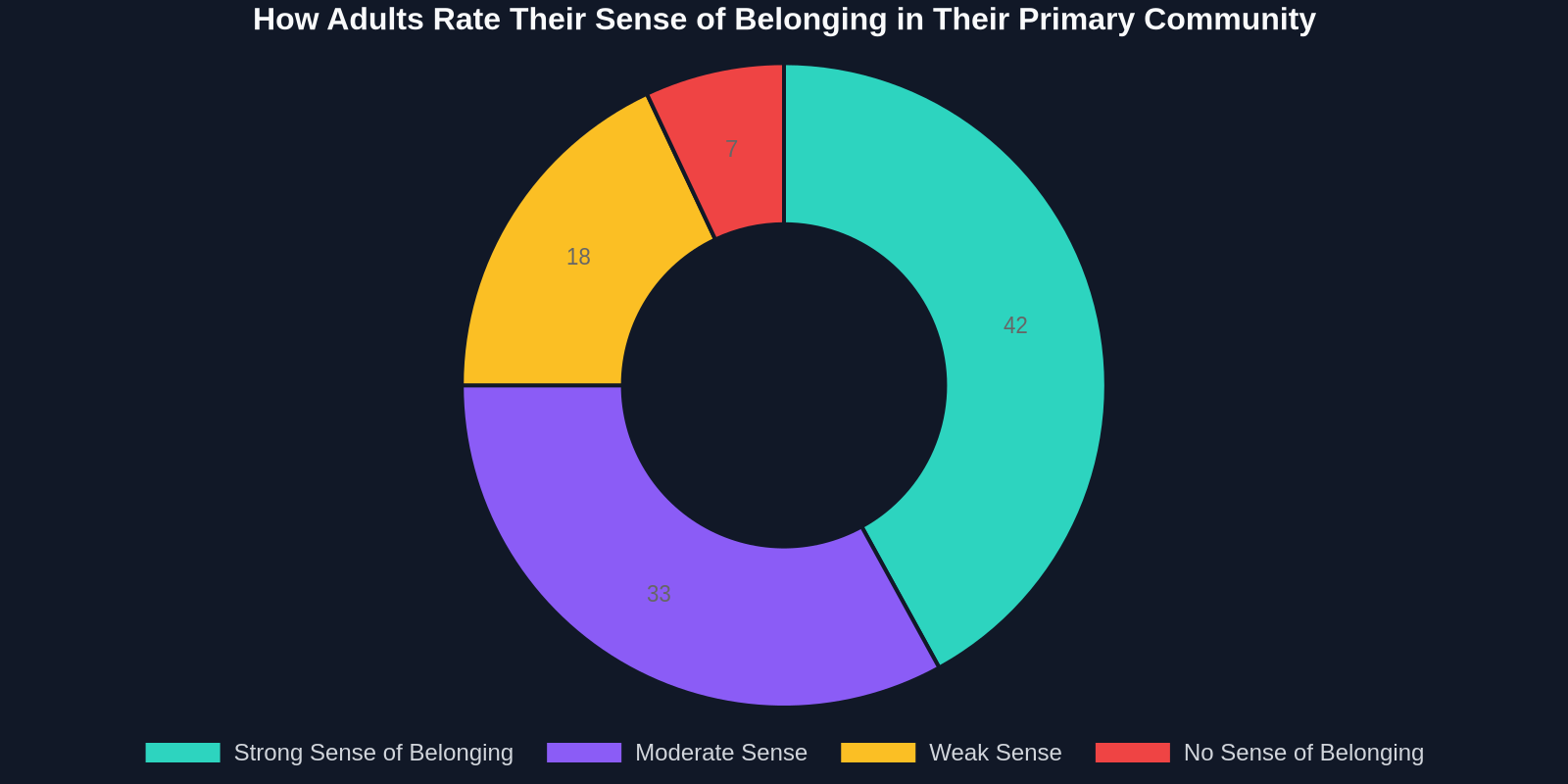
The urging to "seek a deeper relationship with Christ" is the core of this movement. It’s a recognition that the visible, tangible community is sustained by an invisible, spiritual connection to the Head of the body. Without this vital, personal link, our efforts at community will inevitably devolve into a social club with a thin spiritual veneer.
"I am the vine, ye are the branches: He that abideth in me, and I in him, the same bringeth forth much fruit: for without me ye can do nothing." – John 15:5, King James Version
This is the non-negotiable center. The unity and belonging that God gives are not things we produce; they are fruit that grows from our abiding. Leaders are wisely calling us back to the root system. A preoccupation with the church's structure, programs, or aesthetics without an equal devotion to knowing Christ personally is like a branch trying to produce fruit after being cut from the vine. It is an anxious, exhausting impossibility.
For the believer weary of church politics or relational hurts, this is a balm. The call is not to try harder to fit in. The call is to draw nearer to Christ. As you do, you find that the vines that had seemed so far apart are, in fact, connected to the same source, and are growing together in ways that are organic and life-giving, not forced.
A Fellowship Forged in Three Days
A vivid illustration of this in action was seen in a recent three-day gathering of believers. The account was not about a celebrity speaker or a professional-grade production. It was described simply: a fellowship that brought together believers in a spirit of faith, unity, worship, and Christian fellowship, making the occasion spiritually enriching. This is the blueprint. When people gather around Christ, the spirit of the gathering changes. It becomes spiritually enriching, not just emotionally uplifting or intellectually stimulating.
This statistic and the story of the three-day gathering challenge our cynicism. We can be tempted to believe that true community is a relic of the early Church, found in Acts but not in apartment complexes. Yet, when we gather in a spirit of faith, with Christ as the focus, the Holy Spirit shows up and does what no ice-breaker game or small-group program can manage. He creates a spiritually enriching unity that transcends personality types and preferences.
Walking the Church Year: A Rhythmic Reminder of Belonging
The timing of these conversations is no accident. As one liturgical note observed, this month brings us to the end of the church year and the beginning of a new one with the first Sunday in Advent. This ancient rhythm is itself a gift of belonging. It tells the same story over and over, inviting tired, scattered people into the one true story of Christ.

Advent is a season of waiting and longing, an honest acknowledgment that all is not yet as it should be. It gives us language for the loneliness we feel. But it does not leave us there. It points us to the incarnate Christ, the baby in the manger who is God with us. The church calendar, far from being a dusty relic, is a yearly curriculum in belonging. It places our lives within a cosmic narrative, freeing us from the small, suffocating story of our own successes and failures. We belong to this story, and therefore, we belong to each other.
The creed we confess is not a dry list of facts. It is a proclamation of belonging. To say "I believe" is to stand with billions across time and space, declaring our shared hope in the Holy Trinity, the Incarnation, Passion, and Resurrection of Christ, and His glorious return.
A Warning Against Earth-Sized Belonging
Woven through the encouragement is a subtle but serious warning. When leaders urge believers to evaluate their lives and remain faithful to biblical teachings, there’s an implied caution against seeking an earthly, cultural belonging that demands a compromise of the faith. The pressure to fit in with the world’s definition of belonging is immense.
This can take a thousand forms. It can be the pressure in a professional setting to adopt the cynicism and values of a corporate culture that has no room for Christ. It can be the subtle drift in a social circle away from speaking about sin and toward simply affirming every choice. True, deep belonging in Christ will inevitably create a holy tension with the world’s patterns. Jesus promised as much. Our unity with Him is so profound, so identity-defining, that it will set us apart. Leaders are not calling us to be strange for the sake of it, but to be holy, for the sake of the One who has called us out of darkness into his marvelous light.
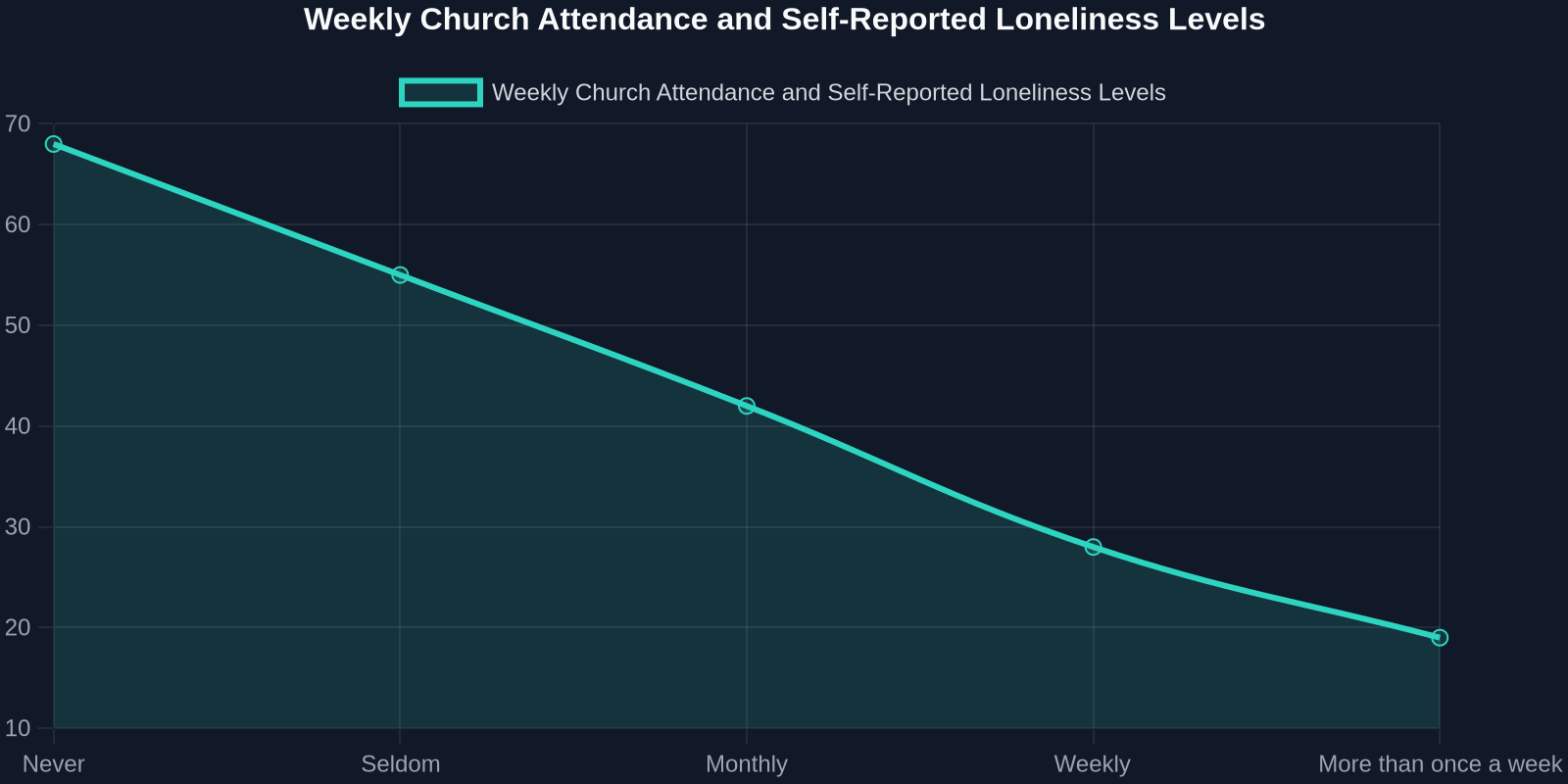
This statistic reveals the dilemma of our age. The human heart longs for the divine, but it is wary of the messy community through which God has chosen to reveal himself, the Church. The messages this week directly counter this cultural trend by insisting that the two cannot be separated. You cannot have the Head without the body. Our belonging to Christ manifests in a tangible, if imperfect, belonging to His people. Running from the institutional church to a purely private spirituality is a recipe for the very loneliness we’re trying to escape.
Conclusion: Your First and Truest Home
The future of the Church, if these messages are any guide, is not about flashier services or more niche small groups. It is about a radical, quiet return to the center. It is about a generation of everyday believers who stop frantically searching for a place to fit in and start resting in the place they already have: in Christ.

"For by him were all things created... And he is the head of the body, the church... For it pleased the Father that in him should all fulness dwell." – Colossians 1:16, 18-19, King James Version
This week, allow the words of these leaders to sink from your head into your heart. Before you worry about where you fit in a social group, a church committee, or even a friends’ circle, remember your most fundamental location. You are in Christ. This is not a state you achieve by being likable or productive. It is a gift you receive, a home you inhabit. And when you begin to live from that home, you will find others already there, a family not of your making, united not by your sameness, but by a shared, saving Lord. This is what it means to belong.
Let this truth be the foundation of your week. Let it quiet your anxious striving and open your eyes to the communion of saints already surrounding you. This is the unity for which Jesus prayed, and it is the profound, unshakable belonging offered to all who are weary and heavy-laden. Come home.