Nancy Guthrie and the Quiet Reformation: Studying Scripture in a Time-Starved World
Published on November 11, 2026 · 10 min read

There is a gentle but firm shift happening in homes and quiet corners, a reformation that doesn't make headlines. It isn't driven by grand institutional policy or dramatic ultimatums. It is happening at kitchen tables, in carpool lines, and on the screens of mobile devices before the sun comes up. At the heart of this movement lies a conviction best expressed by the prophet Isaiah: “The grass withereth, the flower fadeth: but the word of our God shall stand for ever” (Isaiah 40:8, KJV).
Nancy Guthrie, a prominent Bible teacher and author associated with The Gospel Coalition, has become a reluctant but steady guide in this modern reformation. She doesn't seek to build a personal platform. Instead, she persistently points people toward the ancient text, teaching them not just to read it, but to trace the scarlet thread of redemption woven from Genesis to Revelation.
The Unlikely Reformer at the Kitchen Table
When one pictures a reformation, the mind often conjures images of heavy wooden doors, nailed theses, and thunderous pulpits. But the contemporary reformation in biblical literacy often wears a cardigan and holds a cup of lukewarm coffee. Nancy Guthrie represents a tradition of teaching that is deeply rigorous yet profoundly accessible. Her work with Seeing Jesus in the Old Testament and her ongoing biblical theology workshops are not about adding to the noise of Christian commentary. They are about stripping away the fear that keeps a busy mother, a tired nurse, or a distracted student from opening the historical books of the Bible.
Guthrie’s method is deceptively simple: look for Christ. In doing so, she rescues the Old Testament from being viewed as a mere moralistic storybook and restores it as the living, breathing context for the gospels. This approach transforms Leviticus from a tedious legal document into a blueprint of the holiness required for divine presence. It turns the Psalms into the prayer book of the Mediator. It changes the way an accountant in Ohio reads his one chapter a day on his lunch break.
Why “Biblical Theology” Matters to the Exhausted Believer
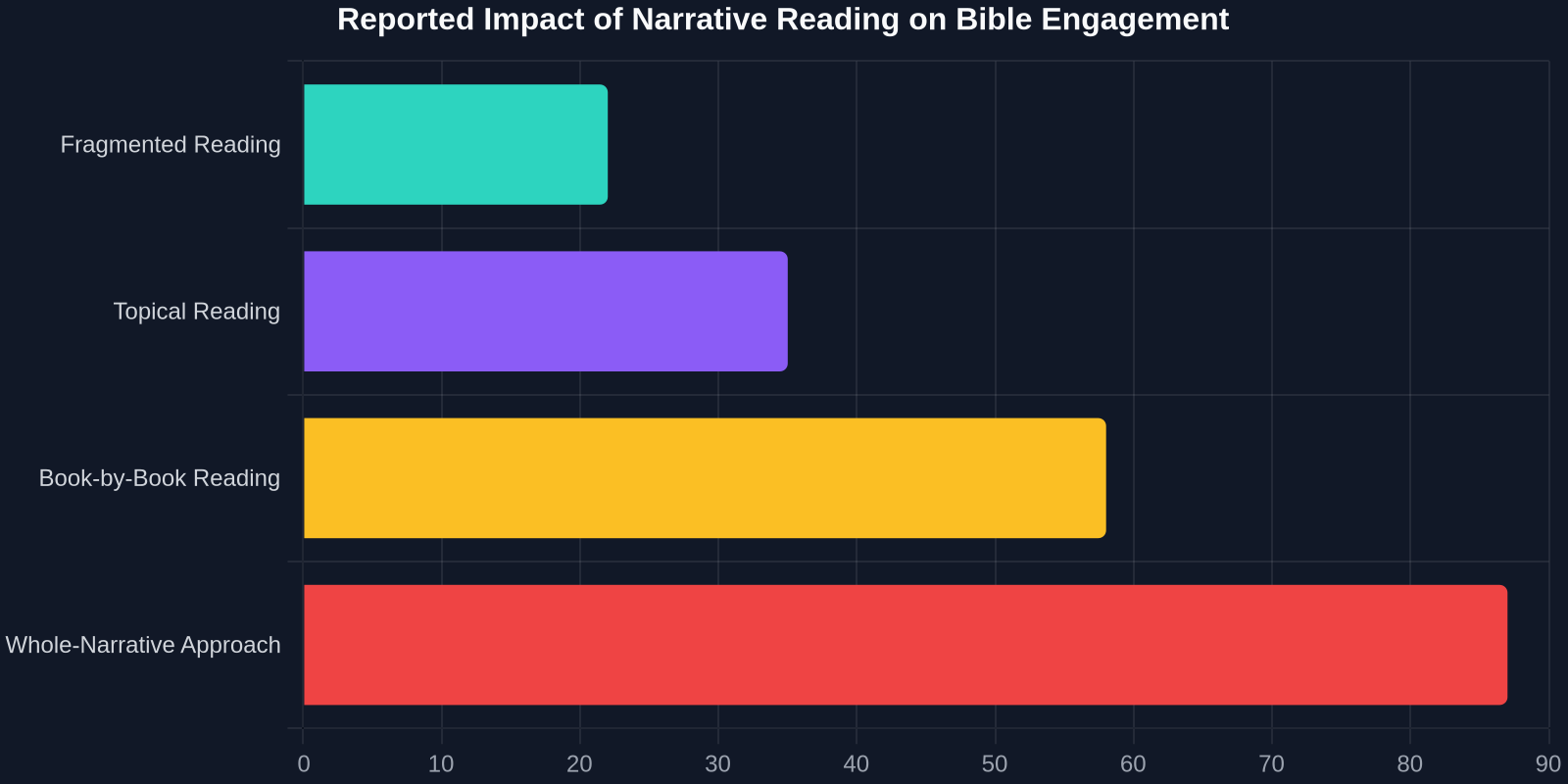
The term “biblical theology” often sits on a dusty seminary shelf, intimidating the very people who need it most. Yet, Guthrie demystifies it. Biblical theology, in her hands, is simply the practice of following the narrative arc of the Bible as it unfolds, rather than reading it as a random collection of fortune cookies or isolated moral axioms. It is the difference between a jar of loose beads and a strung necklace.

For the everyday Christian, this categorical shift is the antidote to sleepy devotions. If one reads the command to “be holy” in isolation, it produces crushing guilt or self-righteous pride. But if one reads it while standing with Moses at Sinai, aware that the blood of bulls and goats could never take away sin, the text drives the reader to the Last Supper. Suddenly, the morning reading isn't just a task to cross off; it becomes an encounter with the cohesive story of rescue. As Guthrie often emphasizes, the Bible isn't about us; it's about Jesus. Paradoxically, that is precisely what makes it deeply personal.
The Void Left by Superficial Consumption
Modern media conditions the mind to skim. The digital world is built on shallow, rapid engagement. When a person then approaches the dense genealogies of Numbers or the apocalyptic imagery of Ezekiel, the cognitive gear-shift feels like hitting a brick wall. It's easier to scroll past the discomfort. The quiet reformation Nancy Guthrie champions is a rebellion against this skimming. It calls for slow, deep grazing on the text.
This is not about beating oneself up for missing a day. The law of the Lord is described as “perfect, converting the soul” (Psalm 19:7, KJV), not as a quota to satisfy. The shift from a check-list mentality to a narrative curiosity is a transformative spiritual discipline. When a reader understands that the serpent crushed in Genesis 3:15 is the dragon defeated in Revelation 12, the Book of Revelation ceases to be a confusing hallucination and becomes the triumphant victory feast of the Lamb. This perspective turns a fragmented five-minute scroll into a 15-minute immersion that feeds the soul.

The Mobile Monasticism: Reclaiming the Lock Screen and the Margin
We live in an era where ancient spiritual practices must be reinterpreted for the architecture of daily life. In the 16th century, the Reformation leveraged the printing press to put Scripture into the hands of the plowman. Today, the technology exists to put it on the glass pane we touch a hundred times a day.
However, the device is often the thief of attention, not the guardian of it. Engaging with Scripture in the fleeting spaces of the day, the waiting room, the stalled traffic, the grocery line, requires intentional friction reduction. It is not about diminishing the sacred text into a quick dopamine hit, but about situating a doorway in the midst of the desert. In this context, a tool like Vesper serves as a simple way to weave the King James text into the fabric of a locked screen, transforming a glance into a whisper of the eternal.
“Thy word is a lamp unto my feet, and a light unto my path.” (Psalm 119:105, KJV)
The Carline Seminary: Learning in the Cracks of Time
Guthrie often speaks to people who feel they have no margin. They aren’t in a formal church leadership pipeline; they are changing diapers or closing quarterly reports. The “quiet reformation” acknowledges that the seminary wall has effectively come down, but not through virtual Zoom classes filled with heady jargon. Rather, it comes down through audio teaching consumed on a commute and widget verses that interrupt a stream of work emails.
This habit forms a “carline seminary”, a place where publicans and professionals alike learn the deep truths of the faith in the mundane, noisy intervals of life. The power is not in the multi-tasking; it is in the repetition. Repetition builds theology into the bones. And when that repetition is rooted in a faithful rendering like the KJV, the rhythm of the language itself becomes a marker of truth, grounding the reader in something historically anchored and poetically immortal.
| Reading Approach | Fragmented Devotional | Narrative Biblical Theology |
|---|---|---|
| Starting Point | A verse picked at random | An ongoing journey through a single book |
| Goal | Emotional comfort or advice | Encounter with Christ in the historical story |
| View of Old Testament | Seen as outdated or difficult | The foundation for understanding the Gospel |
| Time Needed | 2 to 3 minutes of quick reading | A steady pace of consistent, reflective engagement |
The KJV and the Grounding of the Soul
In a world of endlessly updated vernacular and shifting slang, the King James Version retains a liturgical weight. Its cadence is distinct. It resists being mistaken for a text message from a friend or a corporate memo. The formal equivalence of the KJV forces a reader to slow down, to parse the syntax, to ponder the “thee” and “thou,” to recognize that they are reading holy writ, not a paraphrased suggestion.

Nancy Guthrie has noted the importance of linguistic precision in studying Scripture. While her preferred public reading text might vary by context, the movement she represents deeply values the idea that God’s word is a sword; it cuts. A distinct translation like the KJV ensures the sword remains sharp by not allowing us to sand down the difficult corners of the text. When reading the epistles, the complex, towering sentences of the KJV remind the modern mind that reductionist thinking is a modern vice. The Scripture demands intellectual rigor, not just emotional assent. “Study to shew thyself approved unto God, a workman that needeth not to be ashamed, rightly dividing the word of truth” (2 Timothy 2:15, KJV).
The Anatomy of a Lasting Habit in the Reformed Tradition
The “reformation” that Guthrie’s work contributes to is deeply aligned with the historical emphasis of the Protestant Reformation on sola scriptura. It insists that the common person not only should have access to the Bible but must possess the tools to understand it. The shift is subtle but seismic. We are moving away from the era of the charismatic television preacher who reveals secret codes in the Greek lexicon, and back toward the patient, communal study of the narrative arc.
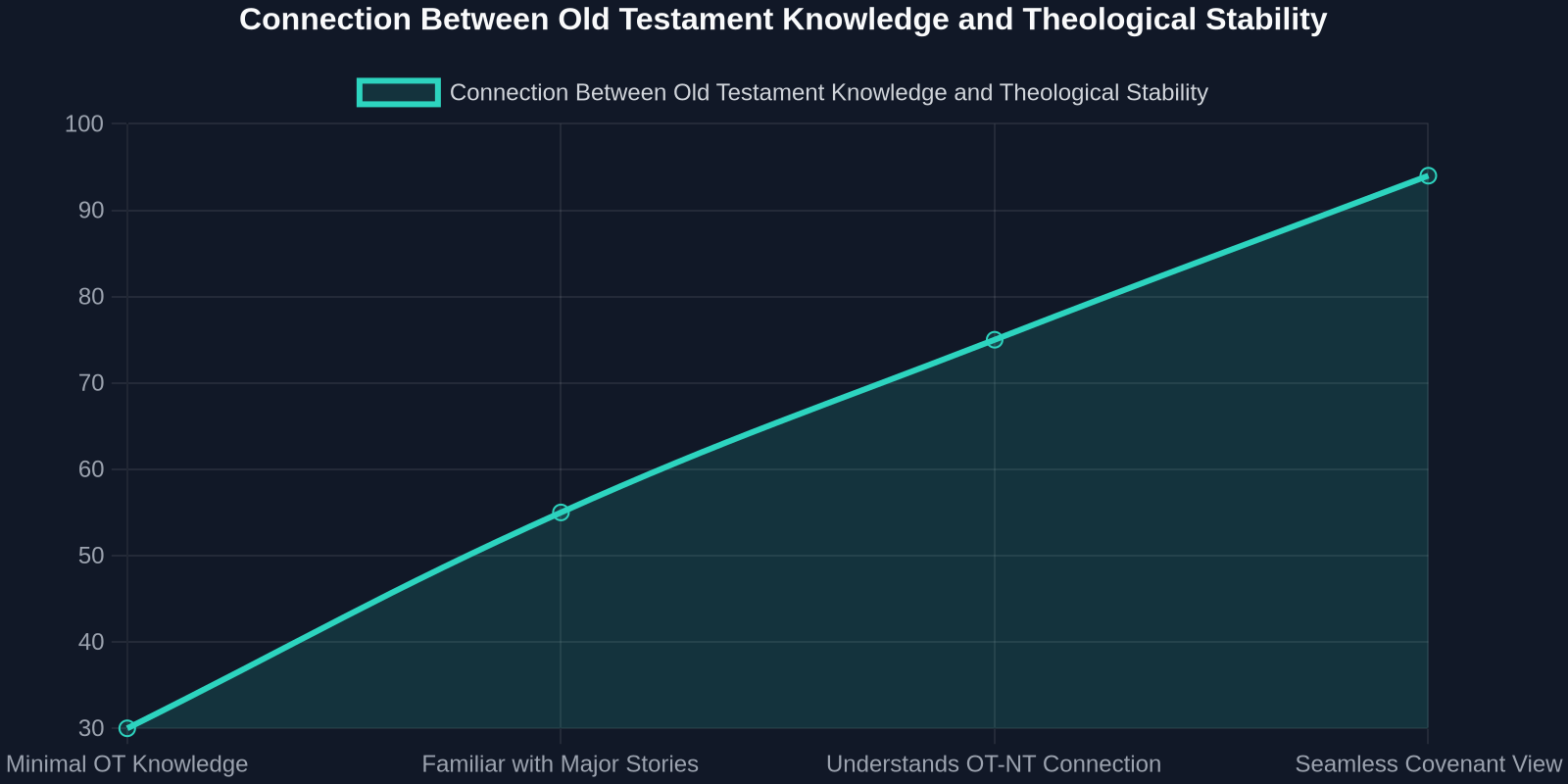
This has massive implications for public living. A person who understands the exile of Israel and the return from Babylon is a person who understands the tension of living in a world that is not as it should be. They become resilient. They do not lose their heads when politics crumble or markets crash, because they know they are citizens of a kingdom where the peace of God guards the hearts and minds. This is what Nancy Guthrie calls people to see. It’s not an escape from the world; it is the only way to bear the weight of the world without breaking.
Resisting the “Golden Nugget” Mentality
One of the quiet victories of this modern reformation is the rejection of the “golden nugget” Bible reading plan. This is the habit of scanning a passage merely to extract a promise for the day, like “I can do all things,” completely severed from the context of Paul’s imprisonment and contentment in suffering. Guthrie’s teaching, like all solid exposition, demands that the reader scrupulously honor what the text actually says. It cultivates mental humility. It is harder to twist a passage to justify selfish ambition when one has been trained to ask, “Where is Christ in this?”
Putting the Reformation into Practice This Week
The shift from passive consumer to active disciple doesn’t require a theological degree. It requires a decision to stop snacking on spiritual content and start eating the meal. Inspired by the slow-burning passion of teachers like Guthrie, consider stepping away from a digital devotional booklet that does all the heavy lifting and pick up a single gospel in the KJV. Read it slowly.

Look for the recurring imagery: the temple, the vine, the light, the water. Ask the dangerous question: “Why did the Holy Spirit preserve this specific detail?” The weight of a text lies not just in its imperative commands, but in its rich symbolic world. This is the deep water where the grown faith swims.
“But his delight is in the law of the LORD; and in his law doth he meditate day and night.” (Psalm 1:2, KJV)
The quiet reformation is not a loud movement. It is a million lamp-lit rooms and silent phone screens where the Word of God stands still, calling the tired and the hurried back to the solid rock. May this week not be characterized by the frantic absorption of noise, but by the slow, transformative digestion of the unchanging truth.