Seeing Beyond Disabilities in Ministry: How the Church Can Lead in Inclusion
Published on October 24, 2026 · 7 min read

In a world that often defines people by their limitations, the body of Christ is called to see differently. A recent article on ChristianDaily.com highlights stories of ministry leaders who are learning to see beyond disabilities, recognizing that every person – regardless of physical or cognitive challenges – has unique gifts to offer the Kingdom. This is not just a matter of accessibility ramps and sign language interpreters; it is a fundamental reorientation of how we understand value, calling, and community.
As believers, we are part of a diverse family where each member matters. The Apostle Paul wrote, “For as the body is one, and hath many members, and all the members of that one body, being many, are one body: so also is Christ” (1 Corinthians 12:12, KJV). When the church excludes people with disabilities, it is not just failing in hospitality – it is depriving itself of vital expressions of the Spirit.
The Biblical Foundation for Inclusion
Scripture consistently affirms that God’s love extends to all people, regardless of ability. In the Old Testament, God instructs Moses to include those with disabilities in the congregation, though with certain restrictions for priestly service (Leviticus 21:16-23), but the overall message is one of belonging. Jesus Himself sought out and healed those considered outcasts – the blind, the lame, the mute – and He restored them not only to health but to community.
In the early church, the inclusion of all believers was a testimony to the power of the Gospel. Paul’s metaphor of the body in 1 Corinthians 12 emphasizes interdependence: “And the eye cannot say unto the hand, I have no need of thee: nor again the head to the feet, I have no need of you” (1 Corinthians 12:21, KJV). Every part is essential. When people with disabilities are marginalized, the body operates at a deficit.
The psalmist declares, “I will praise thee; for I am fearfully and wonderfully made: marvellous are thy works; and that my soul knoweth right well” (Psalm 139:14, KJV). This truth applies to every human being, including those born with disabilities. The church that affirms this foundational truth creates a culture where all can flourish.
The Current Landscape of Disability in the Church
Despite biblical mandates, many churches struggle with inclusion. According to the article, some congregations are discovering that intentional efforts to include people with disabilities bring profound blessings. However, the broader church landscape shows a decline in membership and engagement. The U.S. Episcopal Church, for example, has seen a significant drop from 3.5 million members in 1959 to under 1.4 million in 2025.

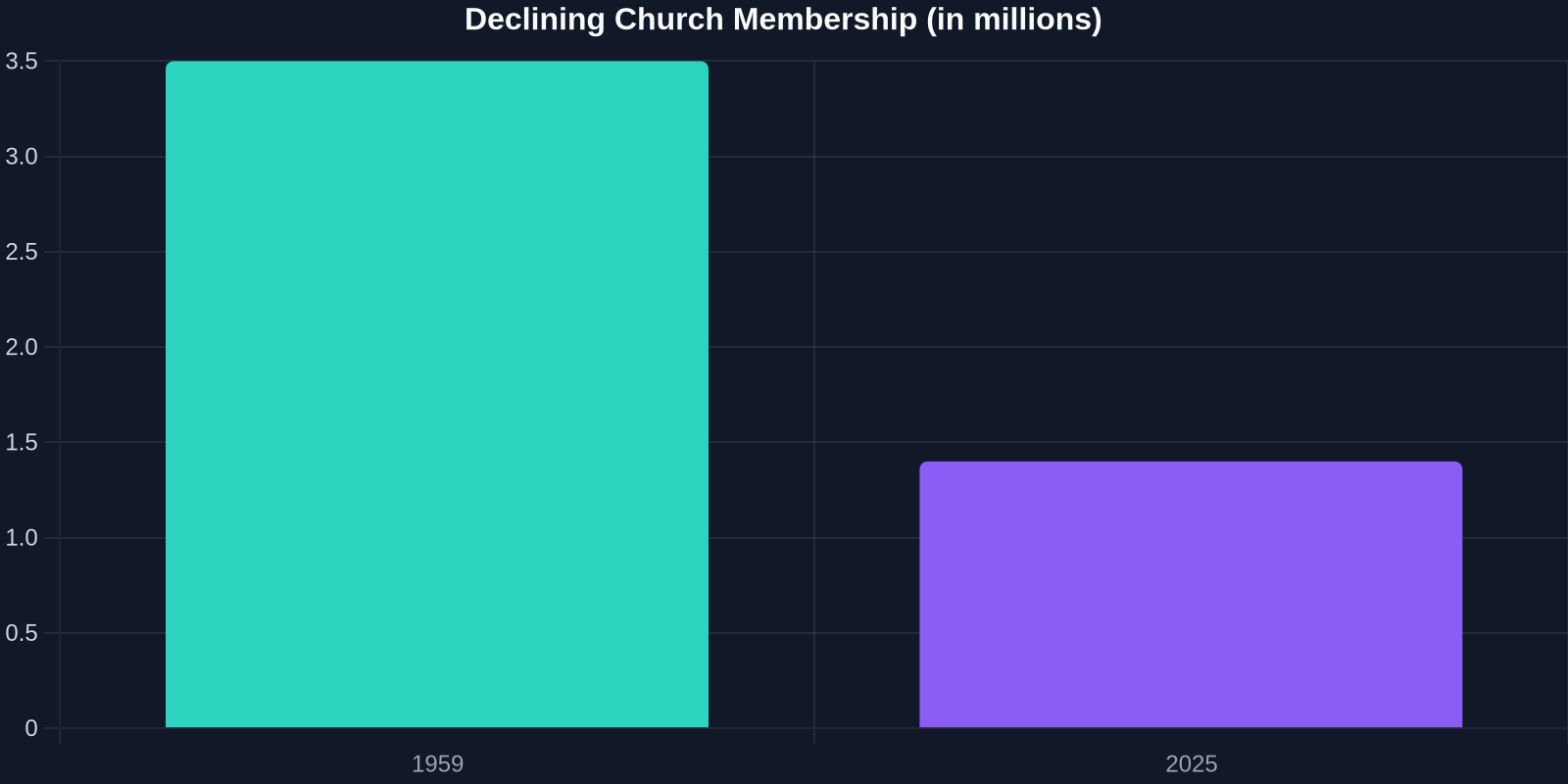
This decline is not unique to one denomination; many churches are shrinking. Yet, a powerful remedy lies in radical hospitality. When churches actively welcome and empower people with disabilities, they often see renewed vitality. People are drawn to communities where they are truly valued, not just tolerated.
At the same time, societal challenges affect people with disabilities. Healthcare data breaches, for instance, can expose sensitive information, adding stress to already vulnerable populations. In 2025, 252 large healthcare data breaches were reported, a 9.5% reduction from the previous year. While this improvement is positive, it reminds us that we live in a broken world where protections are needed.
Barriers to Participation
What prevents people with disabilities from fully participating in ministry? Common barriers include:
- Physical obstacles: Steps, narrow doorways, lack of accessible restrooms, poor lighting.
- Attitudinal barriers: Assumptions that people with disabilities cannot teach, lead worship, or serve in visible roles.
- Theological misunderstandings: Some traditions teach that disability is a result of sin or lack of faith.
- Lack of training: Volunteers and staff may feel ill-equipped to support someone with a disability.
- Communication gaps: Few resources in braille, large print, or sign language.
These barriers are real but not insurmountable. The article highlights stories of churches that have successfully removed them, often with simple and inexpensive changes. For instance, one congregation built a ramp after a member in a wheelchair began attending; soon others with mobility aids felt welcome too.
Stories of Transformation
One pastor shared how a member with cerebral palsy became one of their most powerful prayer warriors. Another church discovered that a young man with autism had an exceptional gift for memorizing Scripture. By training volunteer mentors and adapting classroom layouts, they created an environment where he could thrive.
These stories remind us that the Kingdom of God is not a place of perfection in the worldly sense; it is a place where God’s power is made perfect in weakness (2 Corinthians 12:9). The church that embraces disability becomes a sign of the upside-down Kingdom.
A church in the Midwest integrated a deaf couple into their worship team by learning some basic sign language and providing an interpreter. The couple later helped start a deaf fellowship that grew rapidly. Such stories are multiplying as churches embrace inclusion.
Practical Steps for Churches
If your church is just beginning to think about disability inclusion, here are some practical steps:
- Start with listening: Invite individuals with disabilities and their families to share their experiences and needs.
- Audit your space: Walk through your building and identify barriers – physical, communication, and programmatic.
- Train your team: Provide training on disability etiquette, communication strategies, and inclusion best practices.
- Create flexible roles: Not every ministry role requires the same physical ability. Redefine roles to focus on gifts.
- Celebrate contributions: Publicly recognize and celebrate the contributions of all members.
- Use inclusive language: Adopt people-first language (e.g., “person with a disability” rather than “disabled person”) to affirm dignity.
| Area | Traditional Approach | Inclusive Approach |
|---|---|---|
| Worship participation | Person sits in the back, passive | Person serves as reader or greeter |
| Sunday school | Separate class for 'special needs' | Integrated class with support |
| Volunteer roles | Only physically able serve | Roles adapted to varied abilities |
| Leadership development | Few opportunities given | Mentorship and adapted training |
The Role of Technology and Tools
In our digital age, technology can be a great equalizer. For those with visual impairments, screen readers and large print materials make Scripture accessible. Churches can livestream services with captions, offer audio descriptions, and use assistive listening devices. Simple apps also help: Vesper places a daily King James Bible verse directly on your phone's Lock Screen, offering a gentle reminder of God’s Word throughout the day. But technology is not a substitute for community. It is a tool to remove barriers, not to replace personal connection.

Embracing the Long View
Ministry with people with disabilities requires patience and a long-term perspective. Changes may not happen overnight. As one leader said, “When you start looking 10 years out, many more things become possible. You can see beyond the next session meeting or even the next year.”
“When you start looking 10 years out, many more things become possible. You can see beyond the next session meeting or even the next year.”
This long view helps churches invest in relationships, adapt facilities gradually, and develop leaders over time. It also builds a culture of inclusion that future generations will inherit. Small steps today can lead to a transformed congregation tomorrow.
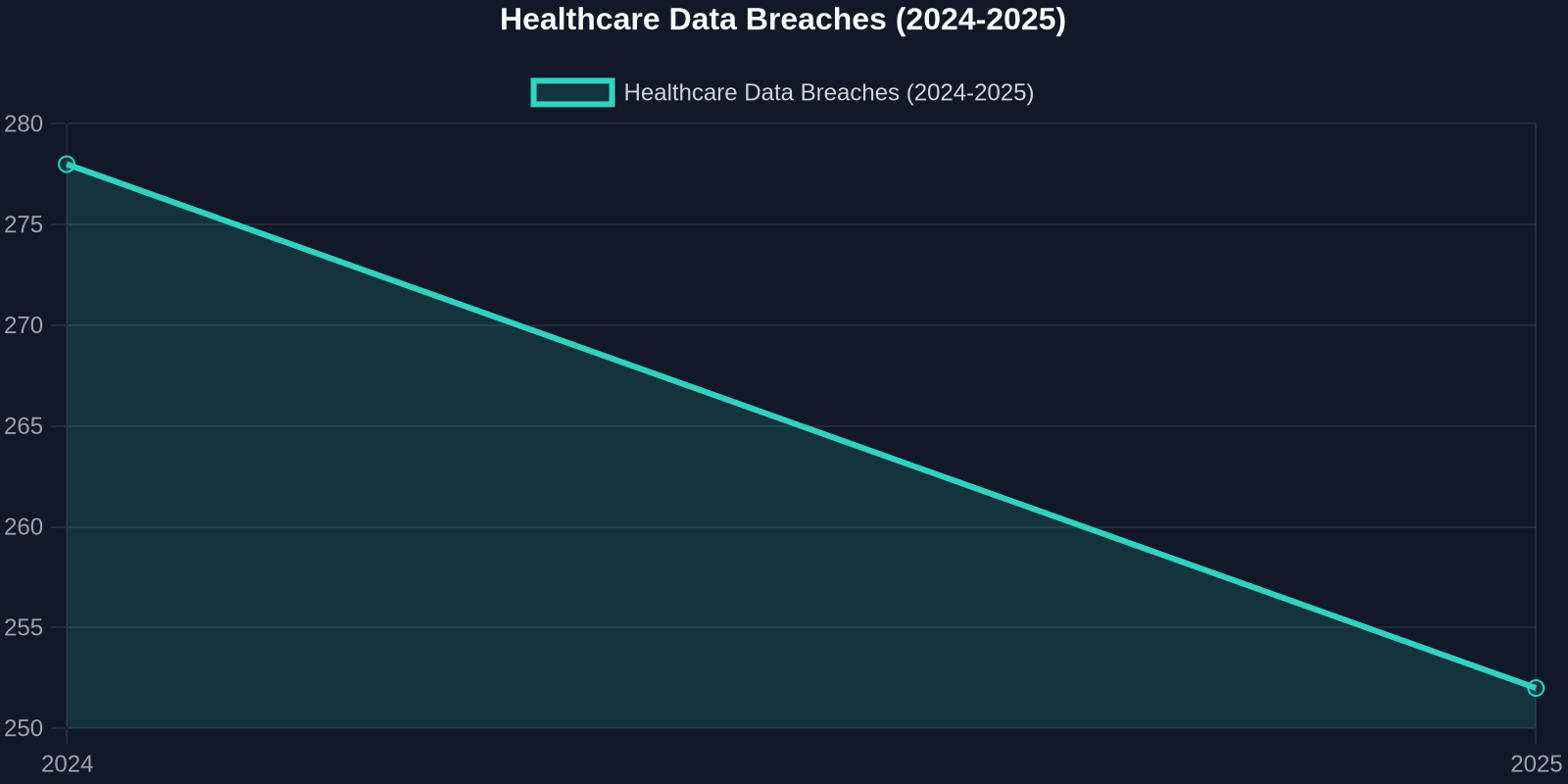
Healthcare data breaches, while not a direct ministry issue, highlight the need for vigilance in protecting the privacy of all members, especially those with disabilities who may rely on medical records. The positive trend of fewer breaches shows that improvement is possible when we commit to change.
Conclusion
God’s church is meant to be a foretaste of the new creation, where every tongue, tribe, and ability is gathered around the throne. The ChristianDaily article reminds us that disability ministry is not a niche program – it is the heart of the Gospel. When we see beyond disabilities, we see brothers and sisters in Christ, each with a unique place in the body.
This week, take one small step: reach out to a family affected by disability in your church or community, ask how you can support them, and commit to learning more. The body of Christ is waiting for your part.