Youth Ministry to NFL Offensive Coordinator: Nate Scheelhaase's Path from Building Teen Trust to Leading the Rams' Offense
Published on October 29, 2026 · 10 min read

Every Sunday, millions of Americans watch professional football. Behind the bright lights and complex play-calling stands a new generation of coaches, men and women whose leadership was forged in places far from any locker room. Nate Scheelhaase, the Los Angeles Rams' offensive coordinator, is one of them. Before breaking down NFL defenses, he spent years building trust with teenagers in Louisville. That season of youth ministry did not simply occupy a line on a résumé; it shaped the very way he coaches, communicates, and cares for the men in his charge.
For believers whose daily work feels disconnected from Sunday worship, Scheelhaase's story offers a quiet but powerful reminder: God uses every season. The patience learned in a church basement can become the poise required in a playoff game. The teenager who needed a steady adult presence prepared a coach for a room of professional athletes who need the same.
From Louisville Youth Rooms to the NFL Sideline
Nate Scheelhaase's football journey began on the field as a quarterback at the University of Illinois, where he set records and earned respect across the Big Ten. But his path to the NFL sideline took a deliberate detour through youth ministry in Louisville, Kentucky. Rather than rushing directly into a college graduate assistant role, Scheelhaase invested years working with young people in a church setting. That choice, uncommon in a profession that rewards speed, became the hidden foundation of a rising coaching career.
In Louisville, Scheelhaase sat across from middle schoolers and high schoolers navigating friendship drama, family stress, and questions about purpose. He learned to read a room. He learned when a young person needed encouragement and when they needed a direct conversation. He learned that trust cannot be commanded; it must be earned over hundreds of small moments. Those skills transferred directly to coaching.
Football coaching, at its core, is teaching. The best offensive coordinators are not simply drawing clever plays; they are communicating complex ideas to young men under intense pressure. Scheelhaase's time with teenagers taught him to simplify without dumbing down, to inspire without inflating, and to build relationships strong enough to hold honest feedback.
How Youth Ministry Shaped a Coaching Philosophy
Trust Before Tactics

In youth ministry, a leader cannot walk into a room of skeptical teenagers and expect immediate influence. Trust is the prerequisite for everything else. Scheelhaase learned to ask questions before giving advice. He learned to remember names, to recall details from past conversations, and to show up week after week. Those habits created a pattern of relational investment that now defines his coaching style.
NFL players, for all their fame and financial security, are often still young men, many in their early twenties, away from home, carrying enormous stress. They can sense when a coach sees them as a piece on a chessboard versus a person with a story. Scheelhaase's youth ministry background means he has spent thousands of hours practicing a different posture: seeing the person before the performance.
"A new commandment I give unto you, That ye love one another; as I have loved you, that ye also love one another.", John 13:34 (KJV)
Scripture's call to love one another is not a soft sentiment in Scheelhaase's line of work; it is a practical coaching philosophy. When players know a coach genuinely cares about their lives, their families, their faith, their future beyond football, they respond with a deeper level of commitment. That dynamic is not unique to the NFL. It shapes every workplace, every classroom, and every family.
Consistency as a Superpower
Teenagers are expert observers of inconsistency. They notice when someone is passionate on Sunday but distant on Tuesday. Youth ministry trains leaders to be the same person in every context. Scheelhaase carried that lesson into coaching, where consistency is one of the most underrated attributes of effective leadership.
Professional athletes, like employees in any setting, can tolerate high standards if paired with high consistency. When a coach's mood shifts with the scoreboard, the entire team becomes unstable. Scheelhaase's ministry background taught him emotional steadiness, the ability to remain calm, clear, and affirming even when things go wrong.
Developing the Whole Person
Youth ministry is rarely just about Sunday school lessons. It involves pizza nights, service projects, difficult phone calls with parents, and one-on-one conversations at summer camps. Leaders see teenagers in every season: joyful, grieving, confused, confident. That holistic view shapes a leader who cares about more than a player's on-field output.
Scheelhaase has spoken openly about this perspective. He coordinates the offense, but he also coordinates people. A player's mental health, family situation, and spiritual questions are not distractions from the work; they are part of the work. That belief, rooted in ministry, now gives the Rams' offense a distinctive culture.
The Rise Through Coaching Ranks
Scheelhaase's coaching ascent has been steady and intentional. He started in college football, working as a running backs coach and later as an offensive coordinator at Iowa State. His ability to connect with players, simplify concepts, and build cohesive units caught the attention of NFL executives. The Los Angeles Rams hired him in 2024, and within a year he was promoted to offensive coordinator.
Rams head coach Sean McVay, widely considered one of the brightest offensive minds in football, has praised Scheelhaase in unusually strong terms. In 2025, McVay called him “a special coach” and “a rising star, without a doubt.” Those words carried weight because McVay is not known for empty praise. He recognized something in Scheelhaase that went beyond scheme knowledge: a rare combination of humility, intellect, and relational intelligence.
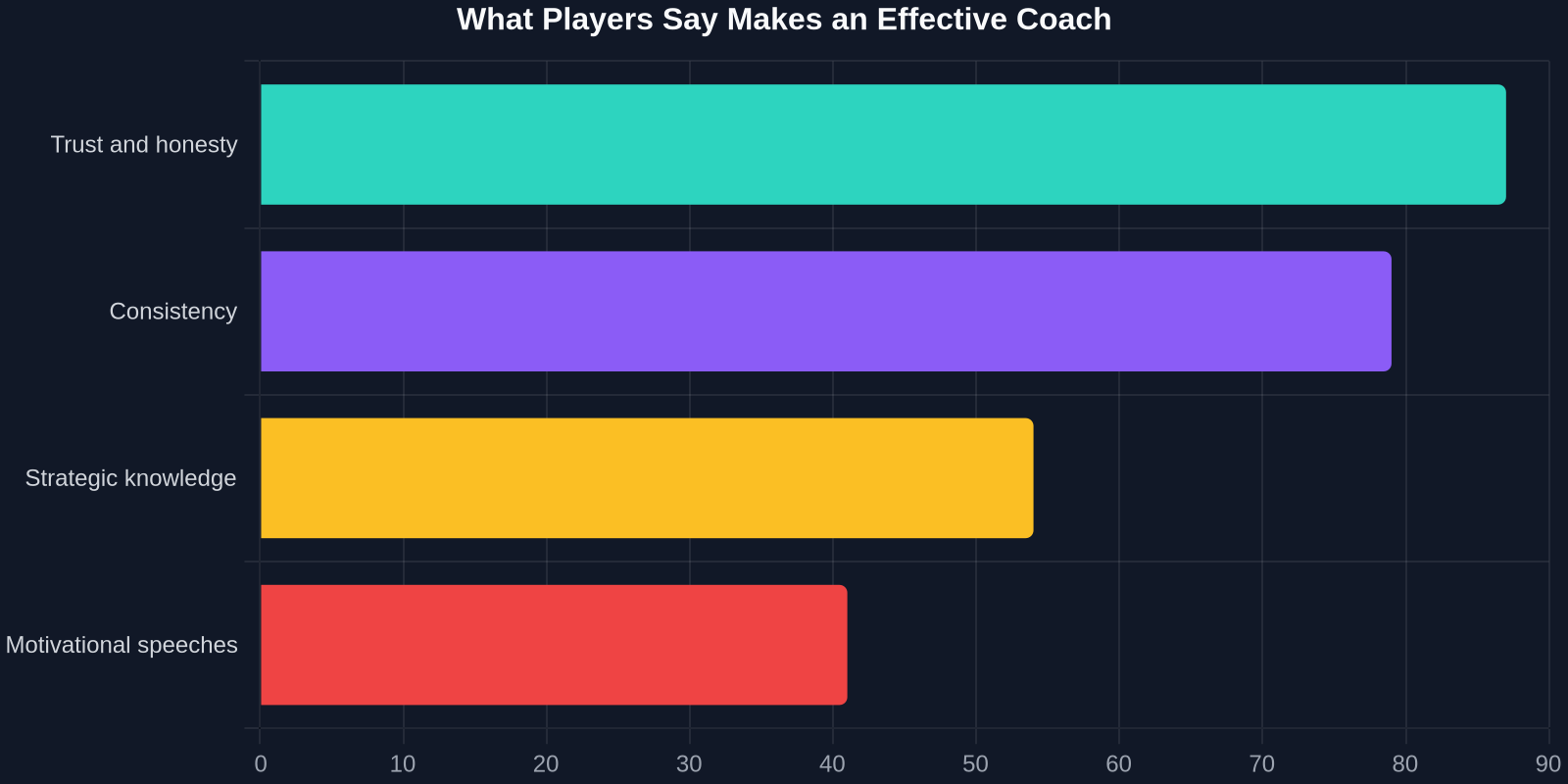
The chart above illustrates a broader trend in professional sports: the growing recognition that coaching effectiveness depends less on technical knowledge than on trust and communication. Players routinely rank honesty and consistency above strategic brilliance when describing the coaches they respect most. Scheelhaase's background places him ahead of that curve, not behind it.
What Believers Can Learn from a Youth Pastor in the NFL
Your Current Season Is Not Wasted

The Christian life often includes seasons that seem disconnected from our long-term goals. Scheelhaase's years in youth ministry could have appeared, to outside observers, like a detour from a promising football career. In reality, they were the very thing that prepared him for the role he now holds.
Believers in ordinary jobs can feel the same tension. The patience learned while raising toddlers prepares a manager for a difficult team meeting. The humility learned in a low-paying service job shapes an executive's leadership decades later. God does not waste seasons. He uses them to form character that will be needed in ways we cannot yet see.
Leadership Is Relational Before It Is Strategic
Scheelhaase's story challenges a common assumption: that advancement comes from what we know. The NFL already has thousands of coaches who know football. What separates the rising leaders is their ability to build genuine relationships. It is the exact skill that youth ministry demands and develops.
Paul wrote to the Philippians about Christ's example: “Let nothing be done through strife or vainglory; but in lowliness of mind let each esteem other better than themselves” (Philippians 2:3, KJV). Leadership modeled on Christ is not about winning every argument or dominating every room. It is about lowering ourselves to serve others, even when those others are millionaire athletes with outsized egos and relentless pressure.
Faithfulness in Small Things Precedes Greater Responsibility
Jesus taught that those who are faithful in little will be entrusted with much (Luke 16:10, KJV). Scheelhaase's trajectory reflects that principle. He did not skip the small stage. He served teenagers in a church, invested in individual lives, and built trust one conversation at a time. Now he stands in front of one of the most visible teams in American sports.
| Habit | Youth Ministry Context | NFL Coaching Application |
|---|---|---|
| Listening before speaking | Hearing a teenager's story before offering advice | Understanding a player's concerns before installing a game plan |
| Consistent presence | Showing up weekly, not just on big event days | Being the same coach in wins and losses |
| Caring about the whole person | Asking about family, school, and friendships | Checking on a player's family, health, and life outside football |
| Patience through slow growth | Celebrating small steps in a young person's faith | Developing rookies who need time to mature |
The comparison above is not a leadership trick. It is a pattern of faithfulness. Scheelhaase did not become a trusted NFL coach by attending a seminar. He became one by spending years in a church youth room where the only metric was love.
The Modern Coaching Landscape and the Value of Unusual Backgrounds
NFL coaching has historically favored a narrow path: play in college, become a graduate assistant, climb the ladder. But the league is slowly recognizing that diverse backgrounds bring fresh perspectives. Coaches who have worked outside football often bring emotional maturity and communication skills that traditional pipelines overlook.
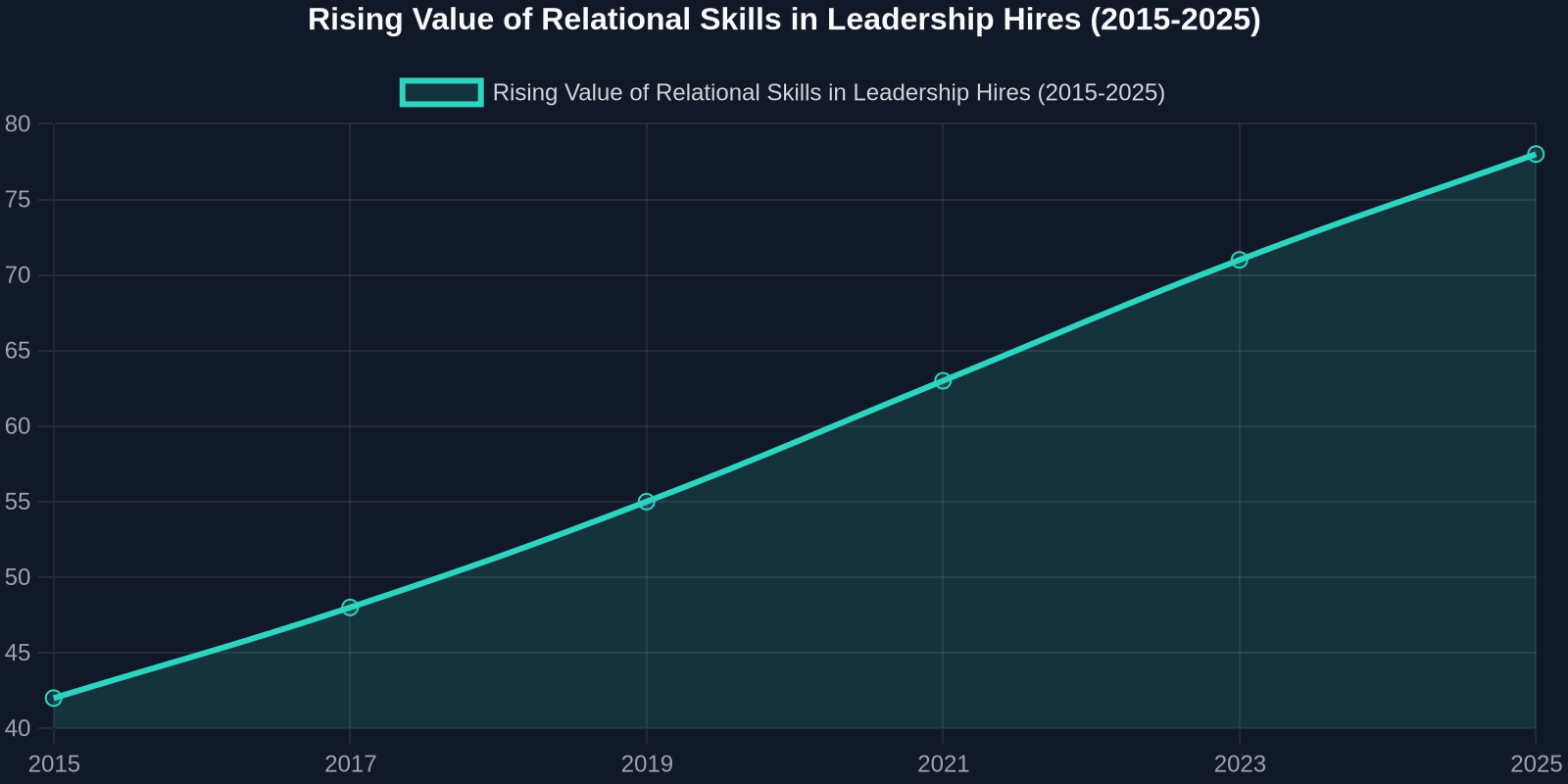
The chart above shows how professionals across industries increasingly value relational skills, trust-building, listening, consistency, over purely technical knowledge. The NFL is no exception. Sean McVay's decision to promote Scheelhaase reflects a broader realization: football teams, like churches and companies, are built on relationships.
Practical Reflections for the Week Ahead
Build Trust Through Consistency

Think about one relationship in your life, a coworker, a child, a neighbor, where trust feels thin. Ask yourself: Am I the same person every time I show up? Do I listen before I speak? Do I remember the details they have shared with me? Trust is built in ordinary moments, and it is built slowly.
See Your Current Season as Preparation
You may not be where you want to be. Your job may feel small, your influence limited, your platform nonexistent. But God forms leaders in hidden places. The patience you are practicing today is the same patience you will need tomorrow. Do not despise the season of small things.
Love the Person Before the Performance
Every person you lead, manage, or parent is more than their output. Scheelhaase's coaching philosophy begins with that truth. A player's worth is not measured by yards or touchdowns. A child's worth is not measured by grades. A coworker's worth is not measured by quarterly results. See the person first.
Nate Scheelhaase's story is still being written. In the years ahead, he may become a head coach, continue leading offenses, or step into other leadership roles. Whatever comes next, the foundation remains: a young man in Louisville who sat with teenagers, listened to their stories, and learned that influence begins with love.
Youth ministry taught Scheelhaase that trust cannot be commanded; it must be earned over hundreds of small moments.
For readers who want to keep Scripture close throughout the day, Vesper offers one simple way to see a daily King James Version verse on your Lock Screen. The habit of a single verse in the morning can anchor a soul in the same way a consistent coach anchors a team.